

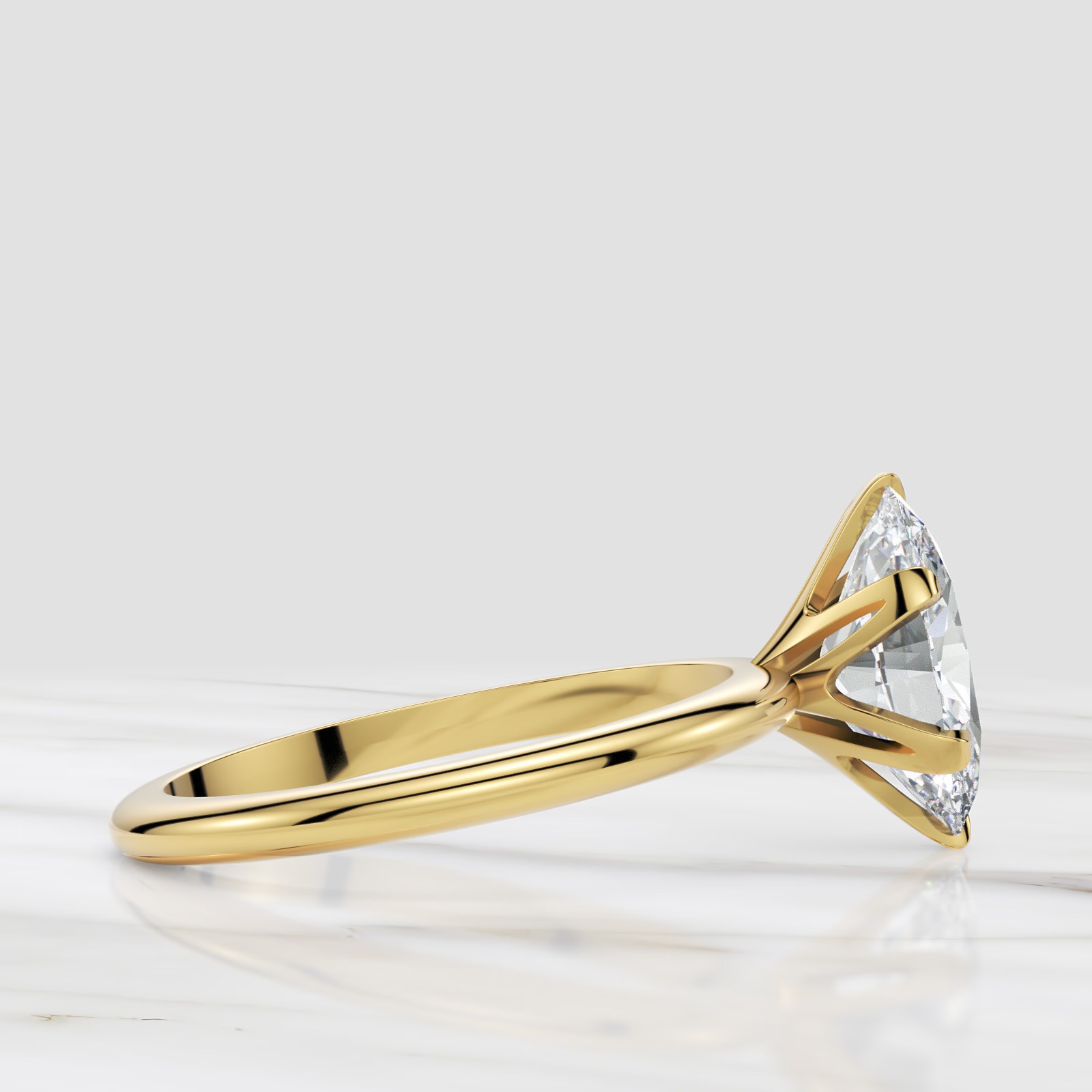

Lab grown engagement rings have moved from niche to mainstream faster than almost anyone predicted. In 2019, just 12 per cent of couples in The Knot’s annual survey chose a lab grown centre stone. By 2025, that number had climbed to 61 per cent. That’s not a trend. That’s a market shift. And for anyone shopping for an engagement ring today, understanding what’s actually driving it will help you make a better decision.
Are Lab Grown Engagement Rings Actually Real Diamonds?
Let’s settle this upfront. A lab grown diamond is a diamond. Not a diamond simulant, not a piece of glass, not cubic zirconia. It’s made of the exact same carbon crystal structure as a mined diamond, formed under the same heat and pressure conditions, and rated 10 on the Mohs hardness scale. The only difference is that the process took weeks in a controlled environment rather than billions of years underground.
What’s interesting is how thoroughly this has been confirmed. GIA and IGI, the world’s most respected diamond grading laboratories, grade lab grown stones on precisely the same scales as natural ones. Colour, clarity, cut, and carat weight are assessed identically. Every ring from Maker and Stone ships with a GIA or IGI certificate confirming this. You’re not taking anyone’s word for it; the grading report tells the whole story.
Why Are So Many Couples Choosing Lab Grown?
The honest answer is the value equation. At the same budget, lab grown stones offer significantly more diamond. Maker and Stone explains it plainly on their site: hold your budget at $6,000, keep the colour, clarity, and cut grades constant, choose the same 18ct gold solitaire, and change only the origin of the stone. A mined diamond at that price gets you approximately 1 carat, measuring about 6.5 mm across. A lab grown stone at the same price reaches approximately 2.5 carats and spreads across the finger at 8.8 mm. That’s a difference anyone across a table would notice.
The same pattern shows in real spending data. According to The Knot’s 2025 figures, couples buying natural diamonds paid around US7,000onaveragefor1.6carats.CoupleschoosinglabgrownpaidaboutUS4,300 for 2 carats. So the lab grown buyer spent less money and ended up with a larger, equally well-graded stone.
What Settings Are Available for Lab Grown Rings?
Not every setting flatters every stone, and the design choice matters as much as the diamond itself. Maker and Stone offers two distinct collections, both crafted in 18ct gold in their Sydney workshop.
The Roma collection is built for understated elegance. Its fine, fluid bands sit low on the finger and keep the focus entirely on the stone. It’s the kind of ring that looks just as right on a Tuesday as it does at a celebration. The Paris collection makes a bolder statement. Precision-set prongs and an open basket design allow light to reach the stone from every direction, resulting in maximum brilliance and a presence that draws attention.
Both collections come in yellow gold and white gold, and both are available across four diamond shapes: round, oval, cushion, and emerald. Every setting can be paired with 1ct, 2ct, or 3ct lab grown diamonds, each photographed at the actual carat weight so there’s no guessing involved.
Does Shape Affect How Big the Ring Looks?
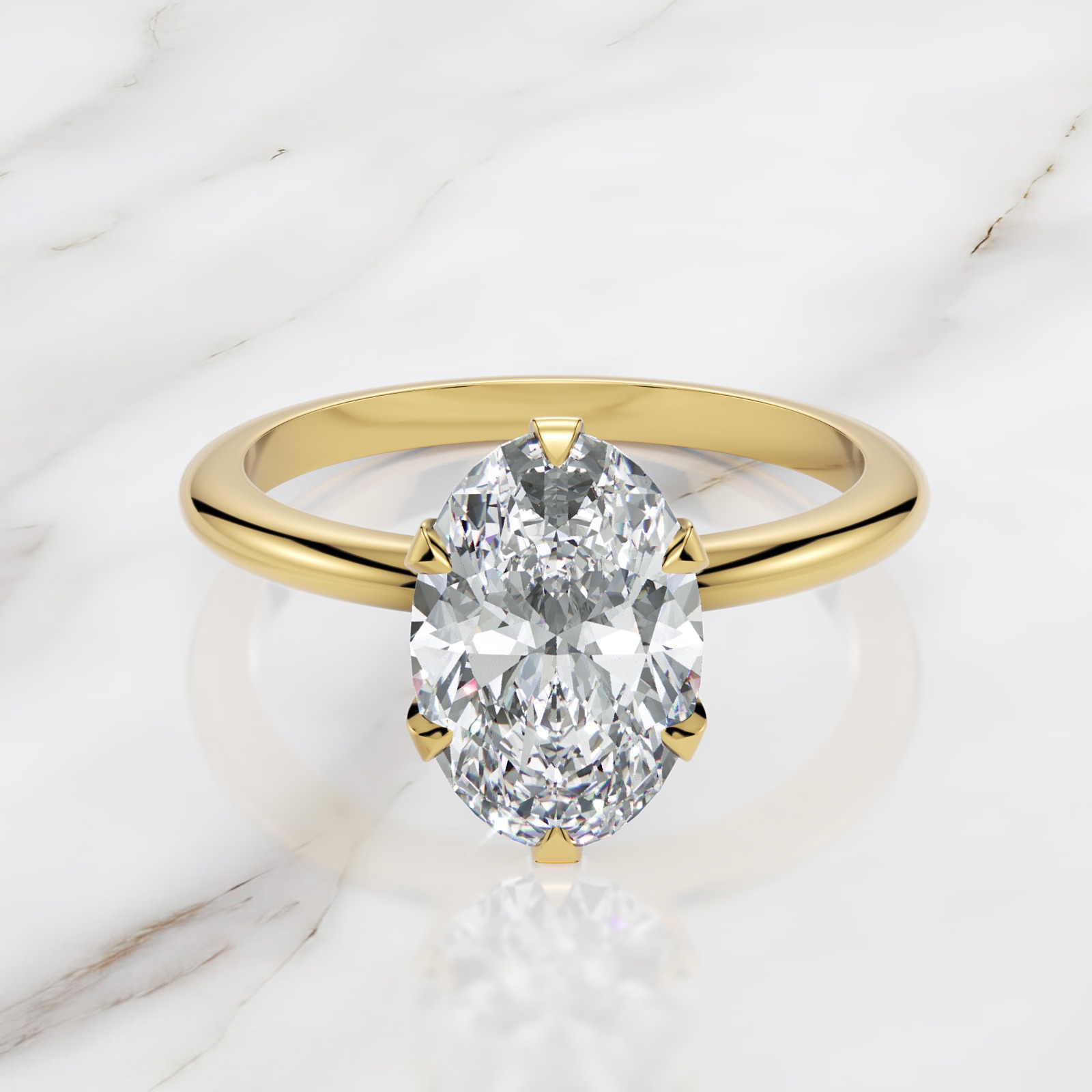
Genuinely, yes. This is one of the most underrated decisions in buying an engagement ring. Carat weight measures volume, not what you see looking down at the hand. An oval or emerald cut spreads the same weight across more surface area, which means it looks visibly larger than a round stone of equal carats. According to Maker and Stone’s education guides, a smart shape choice can add visible size without adding cost. It’s one of the best ways to stretch a budget without compromising on quality grades.
The cushion cut sits somewhere between round and oval in terms of coverage. It has a vintage-inspired look with rounded corners and a romantic quality that appeals to people who want something with character rather than purely maximum size.
How Does Pricing Work?
Lab grown engagement rings from Maker and Stone start at approximately A1,360fora1ctroundsolitairein18ctgold.A2ctroundintheRomaorParissettingstartsaroundA2,550, and a 3ct round begins at A$3,435. These prices include the stone, the setting, insured shipping, a lifetime craftsmanship warranty, and the grading certificate.
Maker and Stone also offers 10 per cent off your first order, which reduces the entry price further. All rings are made to order in their Sydney workshop with a typical lead time of four to six weeks from design approval.
What Do You Give Up With Lab Grown?
It’s worth being honest about this. Lab grown diamonds don’t hold resale value the way even mined diamonds struggle to. The secondhand market for lab grown stones is thin, and most jewellers won’t buy them back at a price you’d accept. If resale or investment value matters to you, a lab grown ring isn’t structured to serve that need.
The other consideration is the story of the stone. Some people genuinely value the fact that a natural diamond is billions of years old and was formed by geological processes beyond human control. That story has meaning to some couples, and there’s nothing wrong with that. But for the majority of buyers today, the practical advantages of lab grown far outweigh the sentimental edge of natural.
Conclusion
Lab grown engagement rings represent where the market has genuinely moved, and the reasons are straightforward. More stone, more quality, same certification, same appearance, crafted to order, and backed by a full warranty. For most couples shopping today, the question isn’t whether lab grown is acceptable. It’s which stone, which shape, and which setting tells the right story for their relationship.
FAQ
Do lab grown diamonds look different from natural diamonds?
No. They’re visually identical. No jeweller can distinguish them without specialist screening equipment, and there’s no visible difference under any normal viewing condition.
What carat sizes are available for lab grown engagement rings?
At Maker and Stone, each setting comes in 1ct, 2ct, and 3ct options across all four available shapes: round, oval, cushion, and emerald.
Is there a warranty on Maker and Stone rings?
Yes. Every ring comes with a lifetime warranty on craftsmanship, plus complimentary first resize within six months of delivery.